
-
Call Us+91 8124700888
-
Our office ANNA NAGAR, CHENNAI
KARATE CLASS
Schedule
KARATE CLASS
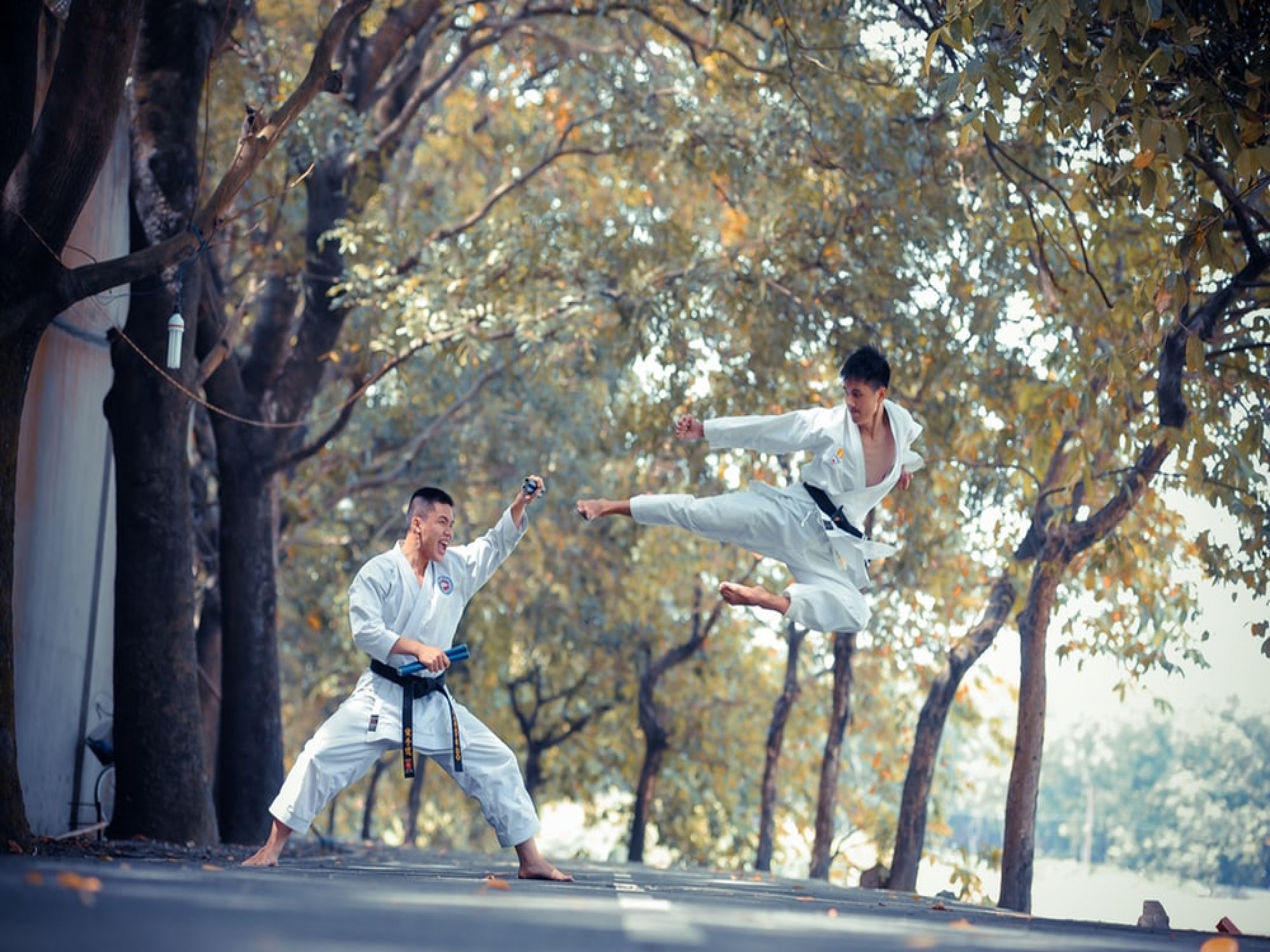
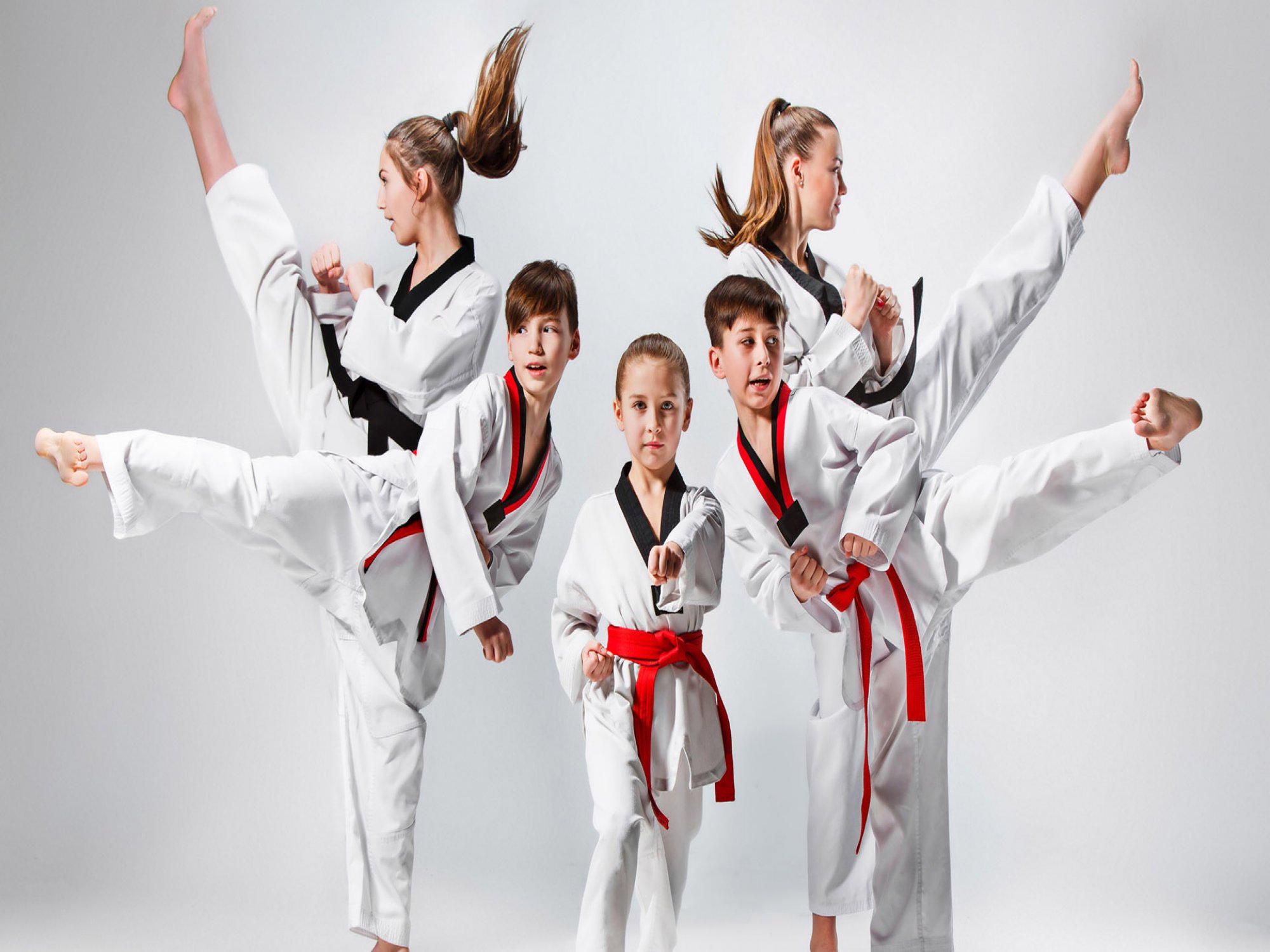
Karate training offers many benefits for young children. Improved physical fitness, superior mind-body coordination, and self-discipline are just some of the characteristics of a martial art practitioner, that immediately come to mind. Let's look at these benefits of Karate training for children in some detail.
-
Physical safety and health
We live in times when parents have two key concerns about their children - their physical safety and health. Enrolling your child for learning Karate addresses both these problems to a great extent.
Karate teaches your child the art of self-defence, which is a skill that every boy and girl must possess. Sedentary lifestyles, unhealthy eating habits, excessive pressures of academics, and limited opportunities to play active sports, are the leading causes of child obesity today. Practicing a sport like Karate helps your child get the necessary physical exercise in an exciting way, and also aids their physical/ mental development.
-
Mental strength, along with physical agility
Karate training classes for young students are typically an hour long. Practicing the skills and following the teacher's commands during each session requires the child to stay focused, which helps improve concentration levels. Training in martial arts is especially beneficial for children with attention-deficit/hyperactivity disorder (ADHD). Improved agility, an impressive gait, and overall composure are just some of the other positive changes that occur when a child practices martial arts regularly.
-
Self-discipline
Karate training requires a lot of focus and discipline. Each student has to learn a curriculum, go through a certain number of hours of training, prepare for and take a test before he/ she can progress to the next level. To be fit, they also have to focus on their diet - what they must eat, and what they must avoid. All this requires a lot of self-discipline, and it's a habit that is reinforced throughout the Karate training as your child progresses from one level to the next.
-
Determination to work towards goals
One of the first things to attract youngsters to Karate are the Karate belts and ranks. The colour of the Karate belt indicates the level of expertise. For instance, beginners wear a white belt, yellow, or orange belt. At the intermediate training level, a student is given a green, blue, or brown belt. A black belt signifies that the person has undergone advanced karate training.
It may take a student anywhere between eight to eighteen months to progress from the beginner to the intermediate level, depending on the number of hours of karate training completed. Focussing on picking up the next belt, gives a child a measurable goal to follow. The discipline needed to graduate to a new belt (colour) is a valuable lesson that helps the child in other aspects of life as well.
-
Respect for others and self
Some parents think that enrolling their child for martial arts puts the child at risk of becoming a bully, or increases chances of them picking fights at school to show-off their newly acquired fighting skills. This belief cannot be further from the truth.
One of the fundamental principles of martial arts like Karate is respect. Students must respect their opponent (someone is always bigger and stronger) and treat the other students with respect as well. They must bow to their Karate teacher before and after each session. The right Karate tutor will help instil the value that regard for others comes from a deep sense of self-understanding.